
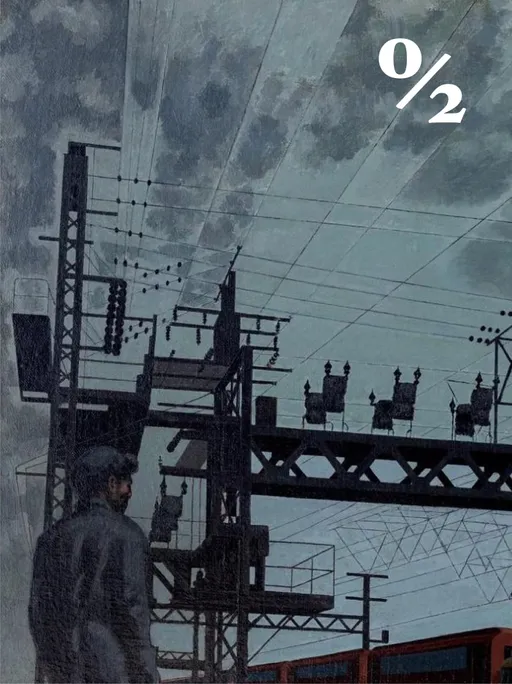
Our second issue concerns the infrastructures that make the digital possible.
The material underpinnings of the digital economy have been somewhat overlooked amidst the wave of techno-optimism that characterised the 2010s. Today, in part due to the rapid global infrastructural expansions we are witnessing, they have once again re-entered public consciousness. Points of concern here encompass hyperscale data centers for generative AI, the facilities that supply them with energy and water, and the supply chains that enable the underlying mineral extraction and chip assembly. They also include rapidly growing surveillance networks, deployed by both corporate and state actors — domestically, at national borders, and within zones of occupation. In parts of the world, these accompany a frantic drive towards (re-)militarisation.
This issue interrogates infrastructures as socio-material networks that mediate the flow of goods, people, ideas, and affects. It also aims to understand them as foci of meaning, or of discursive markers that produce and reinforce particular configurations of political and economic power: the longest suspension bridge, the widest network coverage, the largest data centre, and so on.
We welcome submissions that describe, probe, investigate, or analyse these different aspects of today’s technological infrastructures, as well as theoretical contributions that reflect on the concept of “infrastructure” itself.
Write us at editorial@disjunctionsmag.com.